
Milk production is one of the largest agricultural sectors worldwide, providing essential nutrition to billions of people. The global dairy industry includes both small-scale farmers and large commercial enterprises. Countries like India, the United States, China, and Brazil are among the top producers. Global milk output continues to rise due to population growth, urbanization, and rising demand for dairy products.
Milk Production in Pakistan
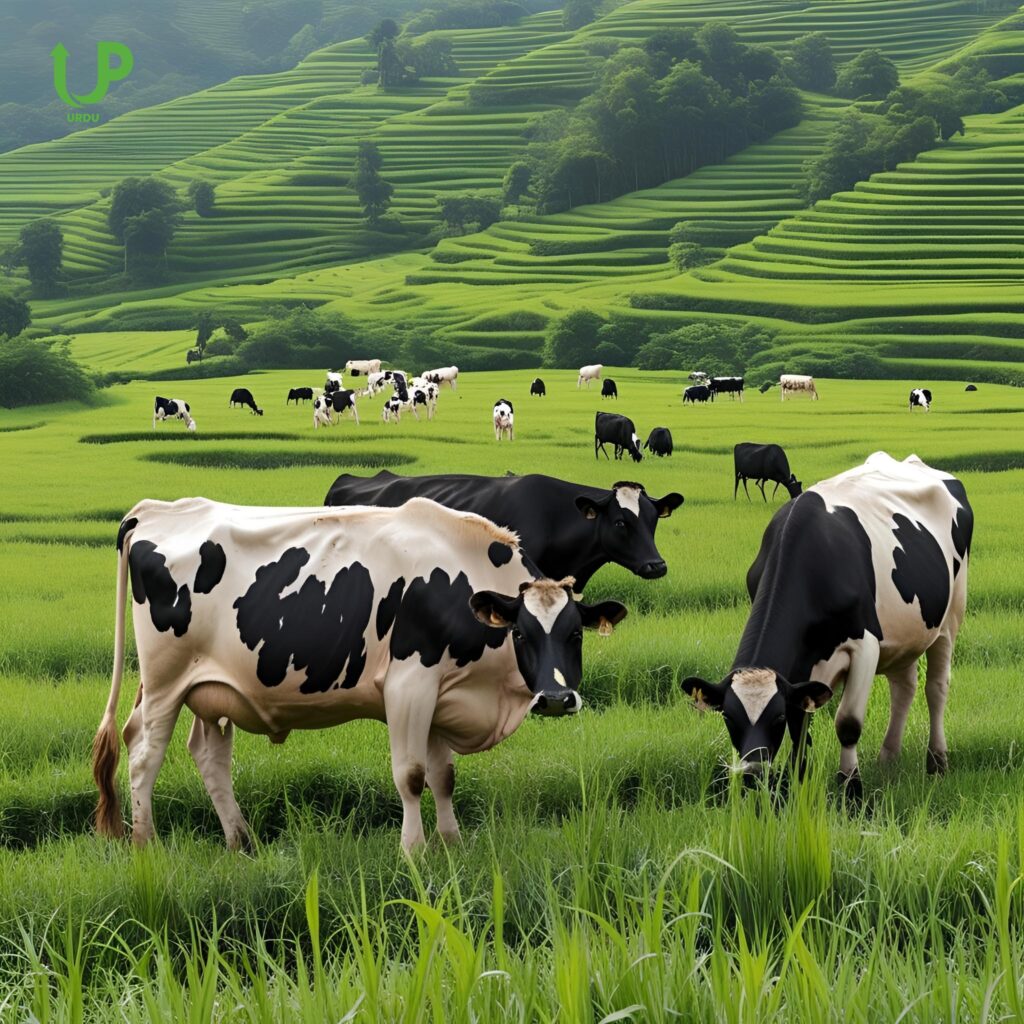
Pakistan is the world’s fifth-largest milk producer, producing about 65 million tons annually. Its dairy sector relies mainly on over 15 million small rural farms that use traditional, low-cost methods. Families raise cows and buffaloes using natural feed like grass and crop residues, which keeps costs low. However, the sector faces issues in storage, transport, and processing, leading to significant losses.
Challenges and Opportunities
Pakistan’s dairy sector has vast potential but suffers from weak infrastructure, limited veterinary services, and a lack of modern breeding practices. Farmers often struggle to deliver fresh milk to cities without spoilage, and advanced techniques to boost animal health and yield are not widely adopted.
Ways to Increase Milk Production Across Asia
- Infrastructure Development: Improve roads, cold storage, and collection centers to reduce spoilage.
- Veterinary Support: Provide better access to modern veterinary services and vaccinations.
- Farmer Training: Educate farmers on improved feeding, hygiene, and disease prevention.
- Use of Technology: Adopt AI-based livestock monitoring, automated milking, and better breeding practices.
- Government Support: Offer subsidies, loans, and cooperative models to empower small farmers.
Conclusion
South Asia can become a global dairy hub with strategic investments, innovation, and farmer support. Pakistan, with better infrastructure and modern practices, can boost milk production, enhance rural incomes, and expand its role in the international dairy market.